The Middle East spans some of the most historically layered and geographically diverse destinations on earth - from Jordan's ancient Nabataean ruins to the coral-rich shores of the Red Sea. Staying in a centrally located hotel here isn't just a convenience choice; it directly shapes how much ground you cover, how much you spend on transport, and how deeply you experience each destination. These four properties sit at the strategic center of their respective locations, offering real logistical advantages for travelers who want to move efficiently.
What It's Like Staying in the Middle East
The Middle East is defined by dramatic contrasts - millennia-old citadels standing next to modern urban districts, desert silence within an hour of coastal resort strips. In Jordan specifically, cities like Amman operate on a hilly, neighborhood-by-neighborhood rhythm where being centrally located can save you around 40% in daily taxi costs compared to staying on the outskirts. Public transport is limited in most Jordanian cities, making proximity to key sites a real operational advantage. Crowds peak around major Islamic holidays and summer months in coastal areas like Aqaba, while Amman's downtown remains busy year-round with both tourists and locals.
Staying centrally suits history-focused travelers, first-time visitors navigating unfamiliar urban layouts, and budget-conscious travelers who want to walk rather than rely on rides. Travelers seeking total seclusion or all-inclusive beach isolation may prefer resort-only zones. Jordan's downtown cores offer the most authentic street-level experience, with local food markets, mosques, and Roman-era sites all within walking distance.
Pros:
- Walkable access to historic sites, souks, and local restaurants reduces daily transport dependency
- Central hotels in Amman typically sit near multiple taxi and rideshare pickup points, cutting commute times significantly
- Proximity to cultural landmarks enables flexible, self-guided itineraries without pre-booking tours
Cons:
- Central neighborhoods in Amman can be noisy at night, especially near mosques and main roads
- Street parking and vehicle access can be congested during peak daytime hours
- Some central budget properties in Jordan trade room size for location, with smaller rooms than peripheral hotels
Why Choose Central Hotels in the Middle East
Central hotels in the Middle East offer something that peripheral resorts cannot: immediate immersion in the local urban or natural fabric. In Amman, a centrally placed hotel puts you within a short walk of the Roman Theatre, the Citadel, and Rainbow Street's café scene - eliminating the need for daily taxis. In Aqaba, a beachfront-central property gives direct Red Sea access while keeping the city center under 15 minutes away. Price positioning varies sharply by city - Amman's central properties span from budget guesthouses to mid-range business hotels, while Aqaba's beachfront central options lean premium due to scarce waterfront real estate.
Room sizes at central hotels in Jordan tend to be practical rather than expansive, particularly in Amman's older downtown buildings. However, around 90% of centrally located hotels in Amman include free WiFi and 24-hour front desks, which matters for travelers managing independent itineraries. Trade-offs include noise exposure and limited green space compared to resort-style properties on the city periphery.
Pros:
- Direct walkability to top-rated cultural and commercial sites reduces total trip cost
- Central hotels in Aqaba combine beach access with city connectivity - a rare combination on the Red Sea coast
- Most central properties in Jordan include free parking, a significant advantage in cities with limited public transport
Cons:
- Rooms in central Amman hotels can face street noise, particularly on lower floors near busy intersections
- Central Aqaba beachfront hotels carry premium pricing that may not suit tight budgets
- Some older central properties in Jordan have not been fully renovated, meaning amenity standards can vary
Practical Booking & Area Strategy
In Amman, the downtown district (known as Al-Balad) and the First Circle-Third Circle corridor on Jebel Amman are the two most strategically valuable areas for central stays. Al-Balad puts you within walking distance of the Roman Theatre, Husseini Mosque, and the Gold Souk, while the Jebel Amman corridor gives access to Rainbow Street's restaurants and galleries. Queen Alia International Airport sits around 35 km south of central Amman, meaning a central hotel saves you from paying for double transfers if you plan day trips to Petra or the Dead Sea - both accessible as long day excursions. In Aqaba, positioning near the waterfront places you within a 15-minute drive of King Hussein International Airport and a 10-minute walk from the city center's shops and dive operators.
For nature-oriented travelers, the Dana Biosphere Reserve - one of Jordan's largest natural reserves - requires staying in or near the village of Dana itself, where guesthouse options provide the only viable base for multi-day hiking. Book at least 6 weeks in advance for Aqaba stays during July and August, when Gulf tourism and European summer travelers simultaneously push occupancy to near capacity. Amman's central hotels maintain availability more consistently, though Ramadan and Eid Al-Fitr periods see localized surges.
Best Value Stays
These properties deliver strong locational and practical value at accessible price points - suited for travelers prioritizing walkability, local immersion, and operational convenience over luxury finishes.
-
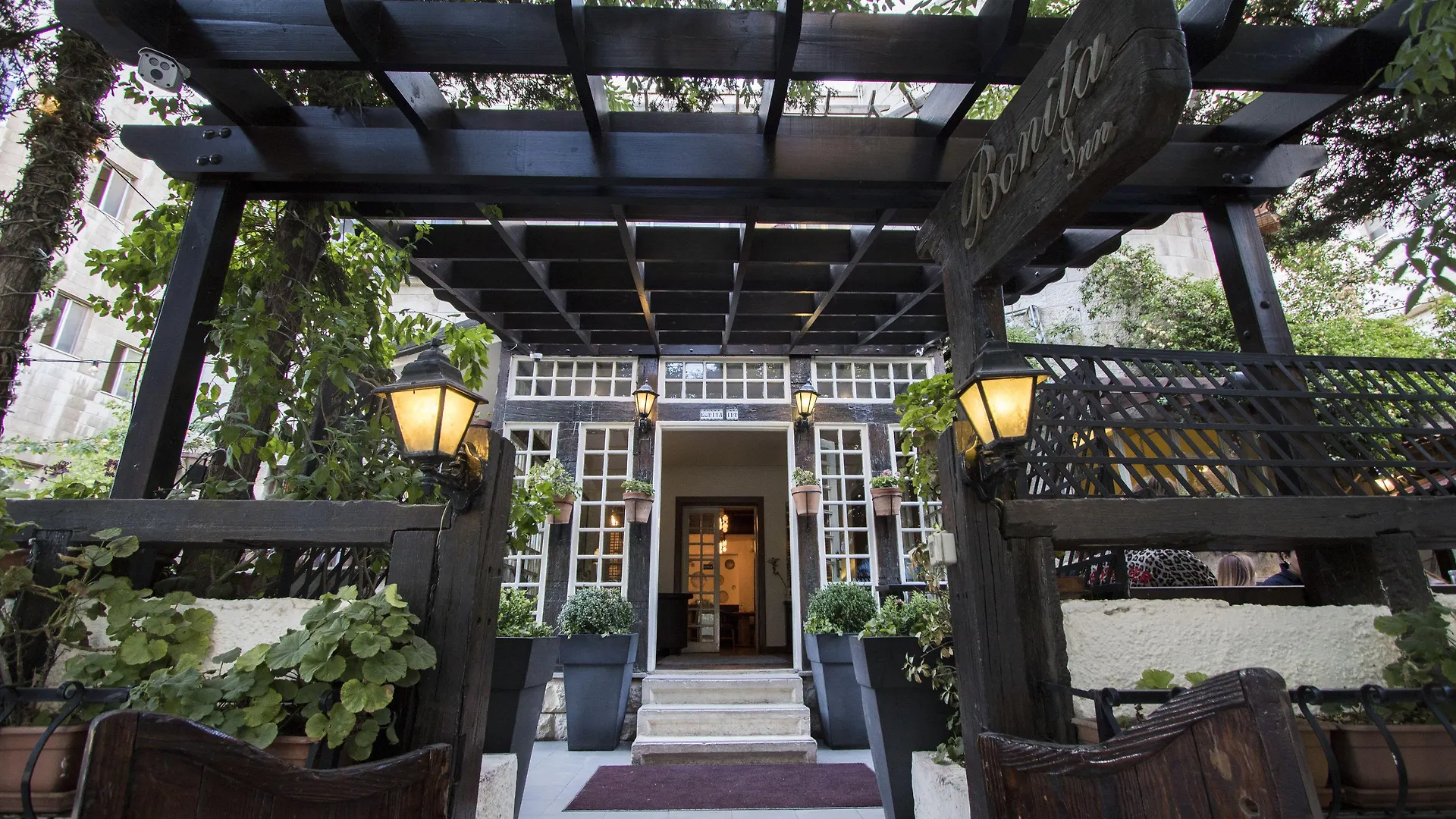
1. Bonita Inn
Show on map


 Check-infrom 14:00 until 23:59Check-outuntil 12:00
Just a few rooms left at the best rate!
fromJOD 48
-
2. Arab Tower Hotel
Show on map


 Check-infrom 14:00 until 23:59Check-outfrom 05:00 until 12:00
Just a few rooms left at the best rate!
fromJOD 20
-
3. Dana Guesthouse
Show on map


 Check-infrom 15:00 until 23:59Check-outuntil 12:00
Hurry – almost gone at this price!
fromJOD 56
Best Premium Stay
For travelers who want beachfront access, resort-grade amenities, and a central Aqaba position, this property stands apart from every other option in Jordan's Red Sea city.
-
4. Intercontinental Aqaba By Ihg
Show on map


 Check-infrom 15:00 until 23:59Check-outuntil 12:00
Rooms filling fast – secure the best rate!
fromJOD 96
Smart Travel & Timing Advice
Jordan's travel calendar splits into two distinct windows: the spring shoulder season (March to May) and the autumn window (September to November). Both offer mild temperatures ideal for walking Amman's hilly downtown or hiking Dana's canyon trails without heat exhaustion. Summer in Aqaba (June-August) is peak season, with Gulf Arab families and European divers filling the city's limited beachfront hotel stock - book the InterContinental at least 8 weeks in advance for this period. Amman's central hotels see their highest occupancy during major Islamic holidays and around the Jordanian high season in April, when Petra day-trippers use the capital as a base.
For Dana Guesthouse, availability is tighter than expected given its remote profile - serious hikers planning multi-day reserve treks should confirm bookings well in advance, as the village has very few accommodation options in total. A minimum of 2 nights in Amman is needed to properly cover the Citadel, Roman Theatre, and Rainbow Street without rushing. Aqaba warrants at least 3 nights if you intend to dive, snorkel, and use the beach meaningfully. Last-minute deals are rarely available at Aqaba's beachfront properties during high season but are occasionally possible at Amman's central hotels outside of holiday periods.