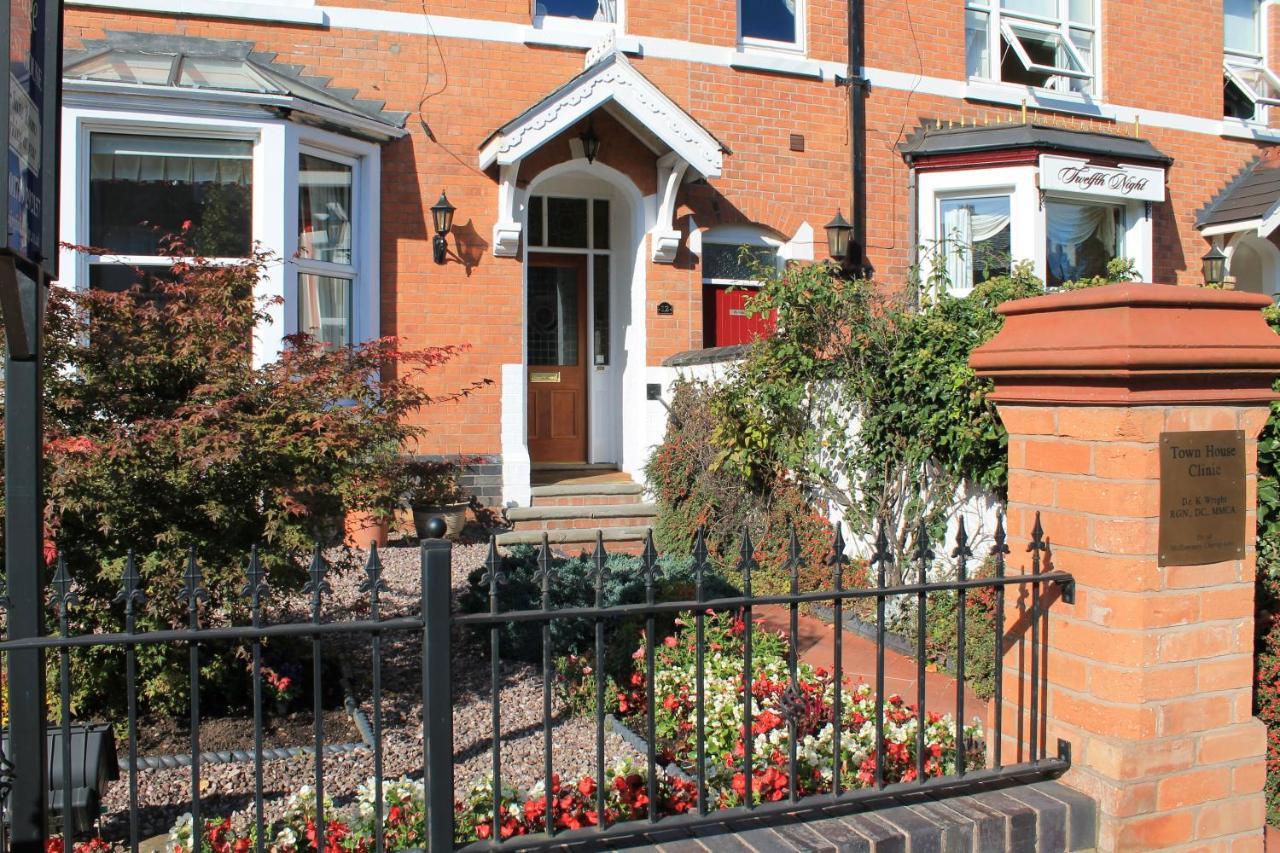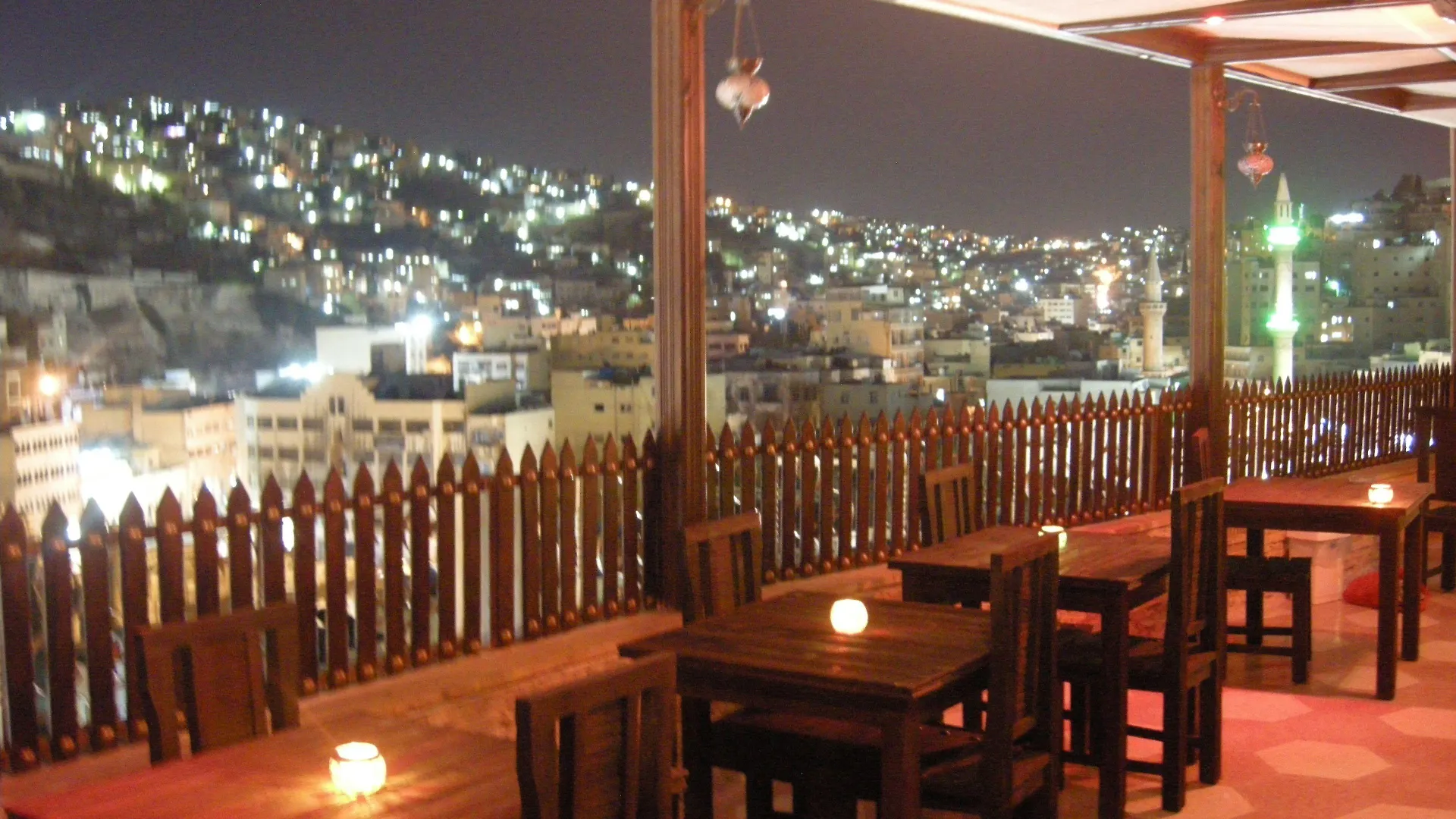
Jordan packs an extraordinary amount of history, desert, and coastline into a compact country - but where you stay determines how much of it you actually see without wasting hours in transit. Centrally located hotels in Jordan put you within reach of archaeological sites, city souks, and natural reserves, cutting down on logistics and maximizing time on the ground. This guide breaks down six well-positioned hotels across Jordan's key destinations, with honest insights to help you decide where to book.
What It's Like Staying in Jordan
Jordan is one of the Middle East's most accessible travel destinations, anchored by Petra, Wadi Rum, the Dead Sea, and the Red Sea coast of Aqaba - all within a single country smaller than Portugal. Amman functions as the main entry point, with Queen Alia International Airport serving the majority of international arrivals, while regional airports in Aqaba serve beach-focused travelers. Tourism peaks sharply from March to May and October to November, when temperatures are manageable and the archaeological sites are at their busiest - with Petra alone drawing around 5,000 daily visitors during high season.
Jordan is politically stable compared to many regional neighbors, making it a realistic option for solo travelers, families, and first-time Middle East visitors. Accommodation is concentrated in Amman, Wadi Musa (the gateway town to Petra), and Aqaba, while destinations like Dana and Wadi Rum offer limited but characterful lodging options. Travelers who want beachside ease may find the landlocked areas slow-paced by comparison.
Pros:
- Compact geography allows multi-destination trips in under a week without exhausting travel days
- English is widely spoken in hotels, restaurants, and tourist areas across all major cities
- Jordan Pass bundles the visa fee and Petra entry, reducing upfront costs significantly for most itineraries
Cons:
- Public transportation between destinations is limited - taxis and rental cars are often the only practical options
- Alcohol availability varies significantly: easily found in Amman and Aqaba, restricted or unavailable in more conservative areas
- Wadi Musa (Petra area) has very little nightlife or urban amenities outside of hotel restaurants
Why Choose Centrally Located Hotels in Jordan
Centrally located hotels in Jordan aren't just about proximity - they're about cutting the logistical overhead of a country where distances between landmarks can be deceptive and road conditions vary. A central hotel in Wadi Musa places you minutes from the Petra visitor center, eliminating the need for early-morning taxis. In Amman, a central position near Rainbow Street or the Citadel means you can walk to major historic sites rather than negotiating traffic. Price-wise, central hotels in Jordan span a wide spectrum, from budget guesthouses at around 20 USD per night in Dana to upscale resort properties in Aqaba exceeding 150 USD per night.
What differentiates central hotels from remote eco-lodges or airport-adjacent options in Jordan is the density of access - restaurants, currency exchange, tour operators, and transport links are typically within walking distance. Room sizes in Jordanian mid-range hotels tend to be modest but functional, with most properties compensating through terraces, views, or proximity to outdoor attractions. Noise can be a factor in Amman's older districts, where street traffic and the call to prayer are consistent parts of the soundscape.
Pros:
- Walking access to key landmarks reduces taxi dependency and saves time on tight itineraries
- Central hotels typically have on-site tour desks or concierge services that can arrange Petra, Wadi Rum, and Dead Sea day trips
- Currency exchange and luggage storage are standard amenities in most centrally located properties across Jordan
Cons:
- Street noise and early morning calls to prayer are common in city-center hotels, particularly in Amman
- Central Wadi Musa has limited dining variety outside hotel restaurants - most options close early
- High-season demand in Petra and Aqaba means popular central hotels book out weeks in advance
Practical Booking & Area Strategy for Jordan
Amman is the logical base for first-time visitors - it connects easily to Jerash (around 50 km north), the Dead Sea (around 55 km west), and serves as the transport hub for intercity buses south toward Petra and Aqaba. Travelers focused exclusively on Petra are better served staying in Wadi Musa itself, where a central hotel cuts out a daily two-hour round trip from Amman. Aqaba suits travelers who want Red Sea diving, snorkeling, or beach time as the primary activity, with the added advantage of proximity to Wadi Rum (around 60 km northeast). Dana, by contrast, is a hidden gem - a UNESCO-recognized biosphere reserve with dramatic canyon views and almost no tourist crowds, making it a strong choice for hikers seeking an off-the-beaten-path night between Petra and the Dead Sea.
For booking strategy, March through May is the peak window when prices rise and availability tightens across Petra-area hotels. Booking at least 6 weeks ahead during this window is advisable. Aqaba operates more like a year-round beach destination, with summer heat (above 40°C) keeping some travelers away, which can translate into better rates from June through August. Amman's central hotels stay relatively consistent in price year-round, with modest spikes during regional holidays and summer family travel from Gulf countries.
Hotels in Amman - City Center Stays
Amman's central hotels position you within reach of the Roman Theatre, the Citadel, and the street-food corridor of Downtown, making them practical anchors for both sightseeing and onward travel logistics.
-
1. Arab Tower Hotel
Show on map


 Check-infrom 14:00 until 23:59Check-outfrom 05:00 until 12:00
Just a few rooms left at the best rate!
fromJOD 20
-
2. Bonita Inn
Show on map


 Check-infrom 14:00 until 23:59Check-outuntil 12:00
Just a few rooms left at the best rate!
fromJOD 48
Hotels Near Petra & Dana - Gateway Stays
Wadi Musa and Dana offer centrally positioned lodging that eliminates long daily commutes to Petra and the Dana Biosphere Reserve, where early entry makes a measurable difference to the experience.
-
3. Petra Boutique Hotel
Show on map


 Check-infrom 14:00 until 23:59Check-outfrom 02:00 until 12:00
Hurry – almost gone at this price!
fromJOD 84
-
4. Mussa Spring Hotel
Show on map


 Check-infrom 14:00 until 23:59Check-outfrom 05:00 until 11:00
Hurry – almost gone at this price!
fromJOD 16
-
3. Dana Guesthouse
Show on map


 Check-infrom 15:00 until 23:59Check-outuntil 12:00
Rooms filling fast – secure the best rate!
fromJOD 56
Hotel in Aqaba - Red Sea Beachfront
Aqaba's central beachfront strip is where Jordan's resort-tier hotels concentrate, combining Red Sea access with proximity to the city center and Wadi Rum day-trip logistics.
-
6. Intercontinental Aqaba By Ihg
Show on map


 Check-infrom 15:00 until 23:59Check-outuntil 12:00
Rooms filling fast – secure the best rate!
fromJOD 96
Smart Travel & Timing Advice for Jordan
March to May is the single best window for visiting Petra, Jerash, and Wadi Rum - temperatures sit between 18°C and 26°C, wildflowers are in bloom across the highlands, and daylight hours are long enough for full Petra treks without heat exhaustion. This is also when hotel prices in Wadi Musa and Amman peak most sharply, particularly around Easter, when Christian pilgrimage tourism adds significant pressure on availability. Booking Petra-area properties at least 6 weeks in advance during spring is not optional - it's the difference between securing a central room and staying 30 km outside Wadi Musa.
October and November offer a secondary sweet spot - slightly lower prices than spring with comparable temperatures. Summer (June through August) is genuinely extreme in Petra and Wadi Rum, with temperatures regularly exceeding 38°C, making long treks uncomfortable and potentially dangerous without pre-dawn starts. Aqaba is the exception: summer heat draws some travelers away, which occasionally produces better hotel rates at beach properties. For Amman-based stays, the city's elevation (around 800 m above sea level) keeps summer temperatures more tolerable than the Jordan Valley or Aqaba. A 5-night trip covering Amman, Petra, and Aqaba is the practical minimum for covering Jordan's core destinations without feeling rushed; 7 nights allows for Dana or Wadi Rum without cutting anything short.