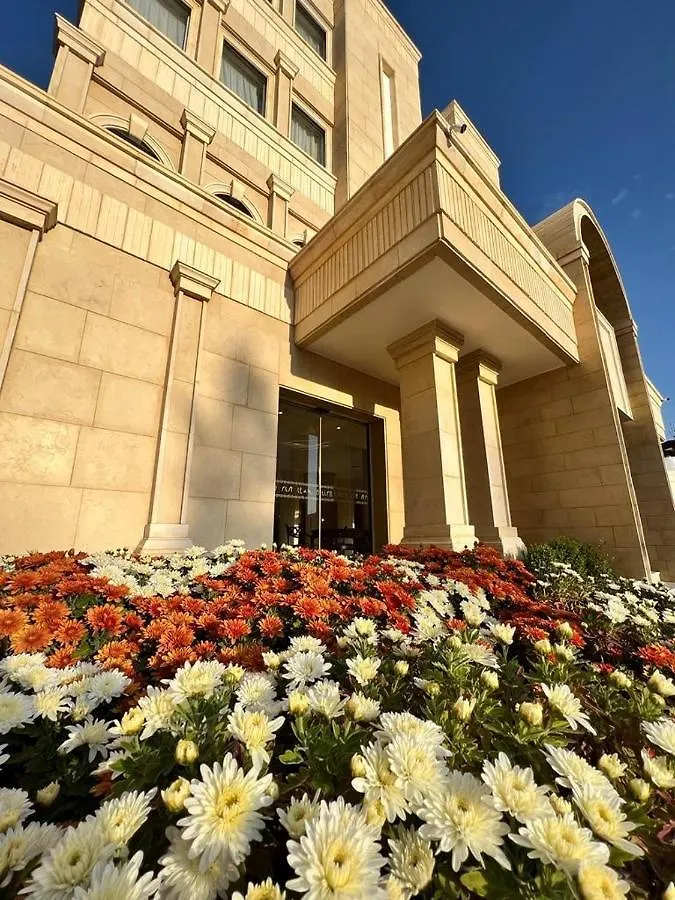
The Obelisk Tomb sits at the very beginning of Petra's main trail, just past the Visitor Center and the Djinn Blocks, and directly before the entrance to the Siq. Staying in a central hotel near Obelisk Tomb in Wadi Musa means you're positioned to reach this first Nabataean monument - and the Treasury beyond it - before the bulk of day-trippers arrive. This guide covers 3 centrally located hotels in Wadi Musa, comparing their proximity, practical features, and what each one actually delivers for Petra visitors.
What It's Like Staying Near Obelisk Tomb
The area around the Obelisk Tomb is not a standalone district - it sits within the Bab as-Siq corridor, the approach road leading from Wadi Musa town to the Petra Visitor Center. Hotels in this zone cluster along or just off Tourism Street, placing guests within a short walk or a quick taxi ride of the tomb itself. The Petra Visitor Center is the real operational hub, and the Obelisk Tomb is around a 10-minute walk from it down the main trail. The area draws heavy foot and vehicle traffic from early morning, with tour groups arriving by 8 a.m.; guests who exit their hotel before 7 a.m. experience a markedly different, quieter atmosphere on the path to the site.
Wadi Musa's central zone offers a genuine mix of hotels, restaurants, and small shops, but it is not a cosmopolitan environment - nearly all activity revolves around Petra access. Staying centrally gives travelers the flexibility to re-enter Petra mid-day or make a second visit in the late afternoon, when light on the sandstone shifts dramatically and crowds thin by around 40%.
Pros:
- * Early gate access without transport logistics - walk to the Petra Visitor Center in under 15 minutes from most central hotels
- * Concentration of restaurants and convenience stores on Tourism Street means no need to drive for meals after long days on-site
- * Multiple re-entry opportunities in a single day are practical only when staying within walking or short taxi range of the entrance
Cons:
- * Hotels closest to the Petra entrance sit on a slope; the uphill walk back at the end of a full day on-site is physically demanding
- * Morning noise from vehicles, horse carriages, and tour buses begins before 7 a.m. on the main access road
- * The area has limited evening entertainment options beyond hotel restaurants - Wadi Musa is a functional base, not a nightlife destination
Why Choose Central Hotels Near Obelisk Tomb
Central hotels in Wadi Musa occupy a practical middle ground: they are close enough to the Petra entrance to walk, yet positioned within a working town rather than at an isolated resort. Room rates at central properties typically run lower than those at the landmark-adjacent guesthouses immediately at the gate, while still cutting transport costs that add up over a multi-day visit. Room sizes vary, but most mid-range central hotels in Wadi Musa offer rooms that are functional rather than spacious - expect standard doubles in the 25-35 sqm range, with suites or family configurations available at a step up.
The key differentiator for central hotels here is operational convenience: on-site restaurants serving Jordanian cuisine, front desks that handle horse or guide arrangements, and spa services to decompress after walking Petra's rocky terrain. Noise management matters - hotels on or near Tourism Street face early-morning traffic and should ideally offer soundproofed rooms, a feature worth verifying before booking.
Pros:
- * Spa and massage services available at several central hotels are a practical recovery asset after 15+ km days inside Petra
- * On-site restaurants reduce the need to navigate Wadi Musa streets after dark on days when physical fatigue is high
- * Airport shuttle services offered by most central properties remove the logistical complexity of the 220 km journey from Amman's Queen Alia Airport
Cons:
- * Central Wadi Musa hotels don't carry the prestige or views of Petra-edge properties, meaning mountain vistas require deliberate room selection rather than being standard
- * Parking garages at central hotels are generally compact; traveling with large vehicles or group transport requires advance coordination
- * Some central hotels position themselves as close to Petra but require a 5-10 minute drive, which misrepresents walkability for guests without a vehicle
Practical Booking & Area Strategy
Tourism Street - the main artery running through Wadi Musa toward the Petra Visitor Center - is the axis around which almost all central hotel decisions are made. Hotels in the upper stretch of Tourism Street, closest to Moses' Spring (Ein Musa), are farther from the Petra gate but experience less early-morning traffic noise. Hotels in the lower stretch, within 500 meters of the Visitor Center, offer genuine walkability to the Obelisk Tomb but sit directly on the primary tour-group route. Book lower-stretch hotels at least 6 weeks ahead during March-April and October-November, when Petra sees its highest visitor volumes and rooms sell out quickly. The Siq, the Treasury, the Street of Facades, the Royal Tombs, and Petra by Night are all accessible from any central Wadi Musa base - but only the closest hotels allow genuine flexibility for split-day visits without taxi costs. For travelers arriving from Aqaba (around 130 km), the drive is substantially shorter than from Amman, and late check-ins are feasible. Request mountain-view or soundproofed rooms explicitly - at Tourism Street properties these are not guaranteed on standard bookings. Wadi Musa at night is calm and safe; the main street sees foot traffic until around 10 p.m., after which the town quiets considerably.
Best Value Stays
These centrally located options combine direct access to the Petra entrance corridor with practical on-site facilities, making them strong choices for travelers prioritizing proximity and functionality over resort-scale amenities.
-
1. Edom Hotel
Show on map


 Check-infrom 15:00 until 23:30Check-outfrom 08:00 until 12:00
Just a few rooms left at the best rate!
fromJOD 35
-
2. Petra Sella Hotel
Show on map


 Check-infrom 14:00 until 23:30Check-outfrom 06:00 until 12:00
Hurry – almost gone at this price!
fromJOD 38
Best Premium Stay
For travelers who want pool facilities, additional buffer from the main Petra access road, and a resort-scale setup in Wadi Musa, this option trades immediate walkability for broader on-site infrastructure.
-
3. Petra Castle Hotel
Show on map


 Check-infrom 12:00Check-outfrom 10:00 until 11:00
Rooms filling fast – secure the best rate!
fromJOD 60
Smart Travel & Timing Advice
The Obelisk Tomb and the full Petra main trail are busiest from late March through April and again in October, when temperatures are manageable and school holidays across Europe and the Gulf push visitor numbers to their seasonal peak. Book central Wadi Musa hotels at least 6 weeks in advance for spring and autumn travel - availability tightens sharply in the two weeks before these windows, and rates increase by around 30% compared to off-peak months. December through February sees a significant drop in visitor volume; the Obelisk Tomb area is quieter, prices are lower, and the rosy sandstone reads differently under winter light - cold mornings but manageable afternoons for hiking. Summer (June-August) brings intense heat; while hotels discount heavily, the 10+ km walking days inside Petra become genuinely punishing above 35°C, and most experienced Petra visitors avoid this window. A minimum of 2 nights in Wadi Musa is advisable to cover the main trail including the Treasury, Street of Facades, Royal Tombs, and the High Place of Sacrifice without rushing; 3 nights allow for Little Petra (Siq al-Barid) and Petra by Night, both of which require separate planning. Last-minute booking in January or February can yield strong rates at all three hotels in this guide, but room-type choice narrows considerably in peak periods, making early reservation the better strategy for anyone requiring specific configurations like mountain-view rooms or the Family Suite.