England's coastline stretches for around 2,700 miles, offering beach hotel options that range from Victorian clifftop properties overlooking the Thames Estuary to 17th-century coaching inns beside Northumberland's sandy shores. Whether you're planning a weekend escape to Cornwall's rugged coves or a Norfolk coastal retreat near Sandringham, the right beach hotel makes all the difference between a mediocre stay and a genuinely memorable trip.
What It's Like Staying at a Beach Hotel in England
England's coastal hotel scene is shaped by dramatic regional contrasts - the Atlantic-battered cliffs of Cornwall behave entirely differently from the calm, wide-sand shores of Norfolk or the dune-backed beaches of Northumberland. Coastal accommodation books up fast in summer, particularly in hotspots like Whitby, Southend-on-Sea, and Bexhill-on-Sea, where demand from both domestic and international visitors compresses availability significantly. Transport to many coastal locations relies heavily on rail connections or driving, as around 60% of England's best-loved beach destinations sit outside major urban transport networks.
Weather unpredictability is a defining factor of beach stays in England - even in peak July, sea mist, wind, and rain can interrupt plans, which is why coastal hotels with quality indoor dining, bars, and lounges add tangible value over basic B&Bs. Visitors who benefit most from England's beach hotels include families seeking safe, sandy coves, walkers following coastal paths, and couples looking for off-season quietude at significantly lower rates.
Pros:
- England's coastal hotels span an enormous variety of settings - from beachfront access in East Sussex to clifftop panoramas in Cornwall - giving travellers highly specific experiences rather than generic sea views
- Many English beach hotels sit within or beside national parks or Areas of Outstanding Natural Beauty, combining coastal access with immediate countryside walking
- Rail connectivity to destinations like Alnmouth, Southend, and Whitby means car-free coastal stays are genuinely feasible from London or Newcastle
Cons:
- England's coastal weather is genuinely unpredictable, and a beach-focused stay without strong indoor amenities can feel disappointing in poor conditions
- Parking at popular beach destinations like Tintagel and Bexhill-on-Sea can be limited and expensive, particularly during school holidays
- Many premium coastal hotels charge high-season supplements that push nightly rates well above inland equivalents, especially in Cornwall and Dorset-adjacent areas
Why Choose a Beach Hotel in England
Beach hotels in England occupy a distinct category from standard city-centre properties - they typically offer direct or near-direct coastal access, sea-view rooms at a premium, and an atmosphere that prioritises relaxation over urban convenience. Beachfront properties in England often carry a 25% price premium over comparable inland hotels in the same region, but that premium buys genuine value: the ability to walk to the shoreline in under two minutes without navigating car parks or busy roads. Room sizes at English coastal hotels tend to be larger than urban equivalents, particularly in converted Victorian guesthouses and former country houses repurposed as coastal retreats.
The trade-off is logistics - coastal villages like Alnmouth, Trebarwith Strand, and Old Hunstanton have limited local restaurants, shops, and evening entertainment beyond what the hotel itself provides, which makes the quality of on-site dining and bar facilities a critical booking factor. Families, couples celebrating anniversaries, and walkers planning multi-day coastal path segments are the traveller profiles who extract the most value from England's beach hotels.
Pros:
- Direct beach access eliminates the logistical friction of driving to the coast each day, making beach hotels significantly more immersive than inland stays
- Many English beach hotels are historic properties - Victorian villas, 17th-century inns, converted mills - that offer architectural character impossible to replicate in modern builds
- On-site restaurants at coastal hotels frequently focus on locally landed seafood and regional produce, providing a quality of dining that standalone coastal restaurants rarely match at the same price point
Cons:
- Sea-view rooms frequently command supplements of around £30 or more per night above standard room rates, which adds up significantly on longer stays
- Coastal locations with limited public transport require a car, and many beach hotel car parks fill quickly during school holidays, creating early-morning competition for spaces
- Out-of-season stays - particularly November to February - can feel isolated, as many coastal businesses reduce hours or close entirely, limiting options beyond the hotel itself
Practical Booking & Area Strategy for England's Beach Hotels
England's beach hotel landscape divides into distinct coastal zones, each with its own character and booking logic. Cornwall's north coast around Tintagel and Trebarwith Strand is best accessed by car, as public transport options are minimal - book at least 8 weeks ahead for summer visits, as this stretch of the Cornwall Coastal Path draws walkers and Arthurian history enthusiasts year-round. Northumberland's coast around Alnmouth and Bamburgh operates on a different rhythm: quieter, less commercialised, and accessible by East Coast Main Line rail to Alnmouth station, making it one of the few genuinely car-free coastal hotel destinations in northern England.
For East Sussex stays around Bexhill-on-Sea, direct trains from London Charing Cross reach the area in around 90 minutes, making midweek breaks highly practical without a car. Norfolk's Old Hunstanton is a different proposition - more remote, better suited to drivers, and most rewarding in spring when Sandringham, RSPB Titchwell, and Norfolk Lavender are at their best without summer crowds. Southend-on-Sea is the fastest coastal escape from London, with trains from Fenchurch Street or Liverpool Street taking under an hour, and Adventure Island theme park plus the world's longest pier providing strong family appeal regardless of the weather.
Best Value Beach Stays
These properties deliver strong coastal positioning, solid on-site facilities, and genuine character without reaching the premium tier - making them the most practical choices for value-conscious travellers who still want direct or near-direct beach access.
-
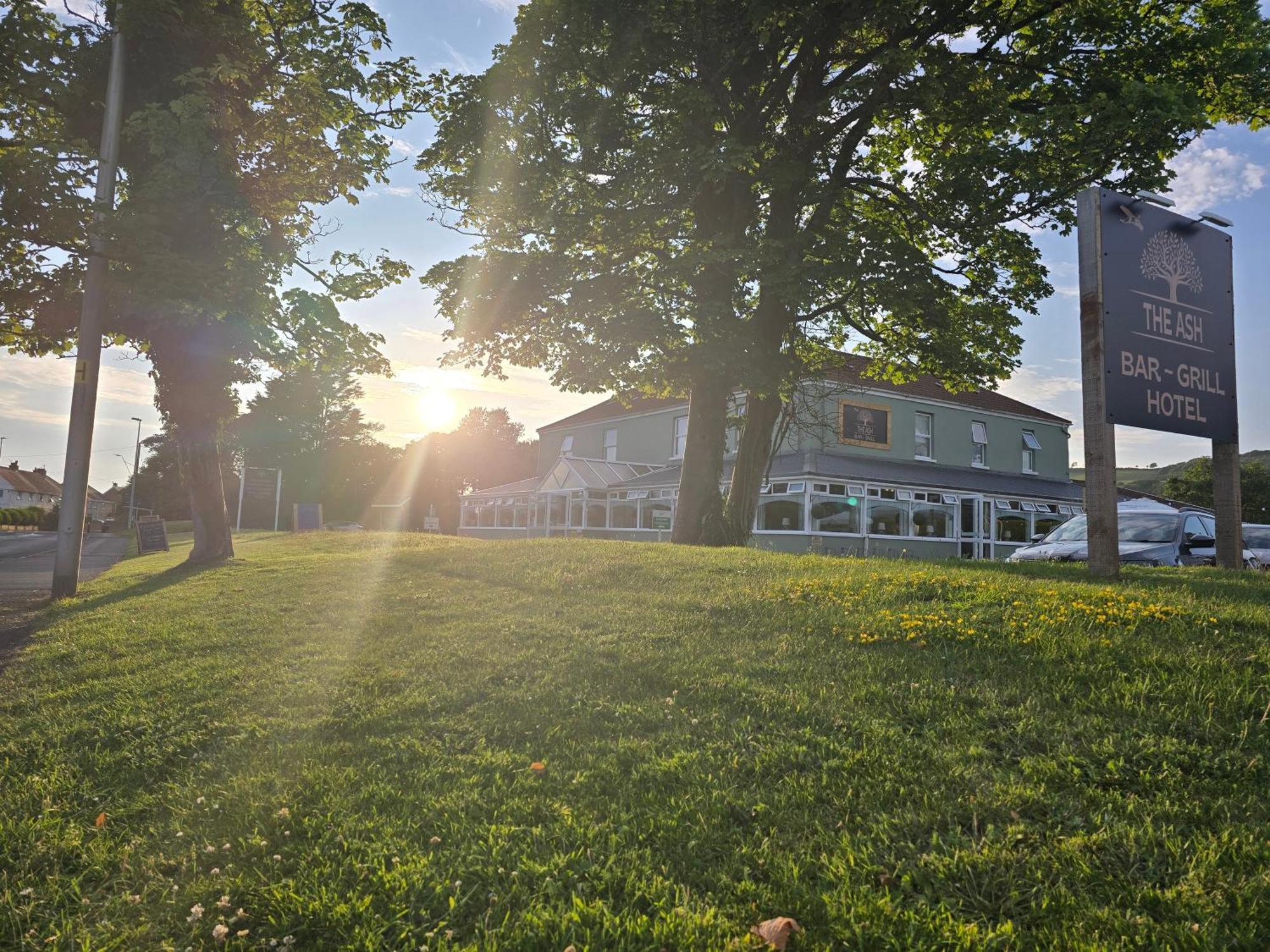
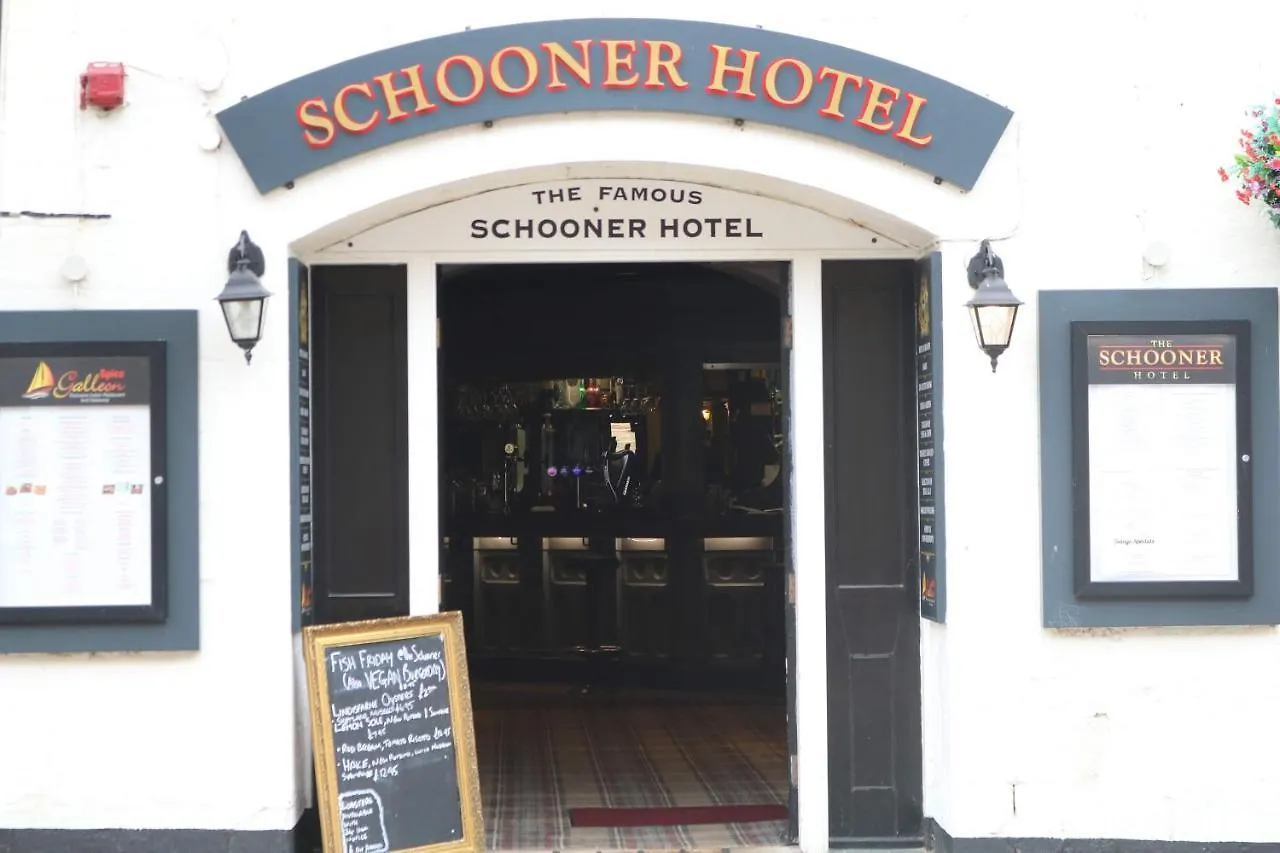
1. Schooner Hotel
Show on map


 Check-infrom 15:00 until 23:59Check-outuntil 11:00
Best price guarantee
from£ 82
-
2. Port William Inn
Show on map


 Check-infrom 15:00 until 22:00Check-outfrom 08:00 until 10:00
Best price guarantee
from£ 116
-
3. Old Hunstanton Le Strange Arms Hotel
Show on map


 Check-infrom 15:00 until 23:59Check-outuntil 11:00
Hurry – almost gone at this price!
from£ 76
-
4. Brockley Hall Hotel
Show on map


 Check-infrom 15:00 until 23:59Check-outuntil 11:00
Best price guarantee
from£ 146
-
5. Beldon House
Show on map


 Check-infrom 15:00 until 22:00Check-outuntil 11:00
Best price guarantee
from£ 77
-
6. Days Inn Michaelwood M5
Show on map


 Check-infrom 15:00 until 23:59Check-outuntil 11:00
Rooms filling fast – secure the best rate!
from£ 33
-
7. The Stables - The Inn Collection Group
Show on map


 Check-infrom 15:00 until 23:00Check-outfrom 07:00 until 10:00
Best price guarantee
from£ 82
Best Premium Beach Stays
These properties offer elevated coastal experiences - combining direct beach access or dramatic sea views with high-specification rooms, notable dining, spa access, or exceptional historic character that justifies a higher nightly rate.
-
8. The Relais Cooden Beach And Spa
Show on map


 Check-infrom 15:00 until 23:00Check-outfrom 07:00 until 11:00
Just a few rooms left at the best rate!
from£ 241
-
9. Muthu Westcliff Hotel
Show on map


 Check-infrom 15:00 until 23:59Check-outfrom 07:00 until 11:00
Rooms filling fast – secure the best rate!
from£ 68
-
10. Camelot Castle Hotel
Show on map


 Check-infrom 14:00 until 23:00Check-outfrom 08:00 until 11:00
Just a few rooms left at the best rate!
from£ 93
-
11. The Victoria Hotel
Show on map


 Check-infrom 15:00 until 22:00Check-outfrom 08:00 until 11:00
Hurry – almost gone at this price!
from£ 47
-
12. Netherwood Hotel & Spa
Show on map


 Check-infrom 15:00 until 22:00Check-outfrom 08:00 until 11:00
Hurry – almost gone at this price!
from£ 84
-
13. Marsham Court Hotel
Show on map


 Check-infrom 15:00 until 23:59Check-outuntil 11:00
Best price guarantee
from£ 70
-
14. Tuddenham Mill Luxury Hotel
Show on map


 Check-infrom 15:00 until 23:00Check-outfrom 07:00 until 11:00
Best price guarantee
from£ 131
-
15. Biggin Hall Country House Hotel
Show on map


 Check-infrom 15:00 until 23:59Check-outuntil 11:00
Just a few rooms left at the best rate!
from£ 159
Smart Timing and Booking Advice for England's Beach Hotels
England's coastal hotel market has two sharply different pricing realities: the summer school holiday window from late July to August, when beachfront properties in Cornwall, Dorset, and Northumberland can be booked out weeks in advance, and the quieter shoulder seasons of May to June and September, which consistently offer better availability and lower rates without significant weather penalties. Booking 8 weeks ahead is the minimum strategy for any coastal stay in July or August, particularly for smaller boutique properties like Port William Inn or the Schooner Hotel in Alnmouth, which have limited room counts and no alternative overflow capacity.
May and early June are the strongest months for North Norfolk and Northumberland coastal stays - wildflowers, birdlife at RSPB Titchwell, and Bamburgh Castle without tour groups define this window. September is particularly well-suited to Cornwall, where Atlantic swell picks up for surfers and the coastal paths empty of summer crowds while restaurants and hotels remain fully operational. Midweek stays regularly run around 20% cheaper than weekend rates at most English coastal hotels, making a Tuesday to Thursday booking a practical money-saving strategy for flexible travellers. For last-minute bookings in peak season, motorway-adjacent properties like Days Inn Michaelwood M5 or inland alternatives like Biggin Hall are the most reliably available options when coastal rooms have long since sold out.